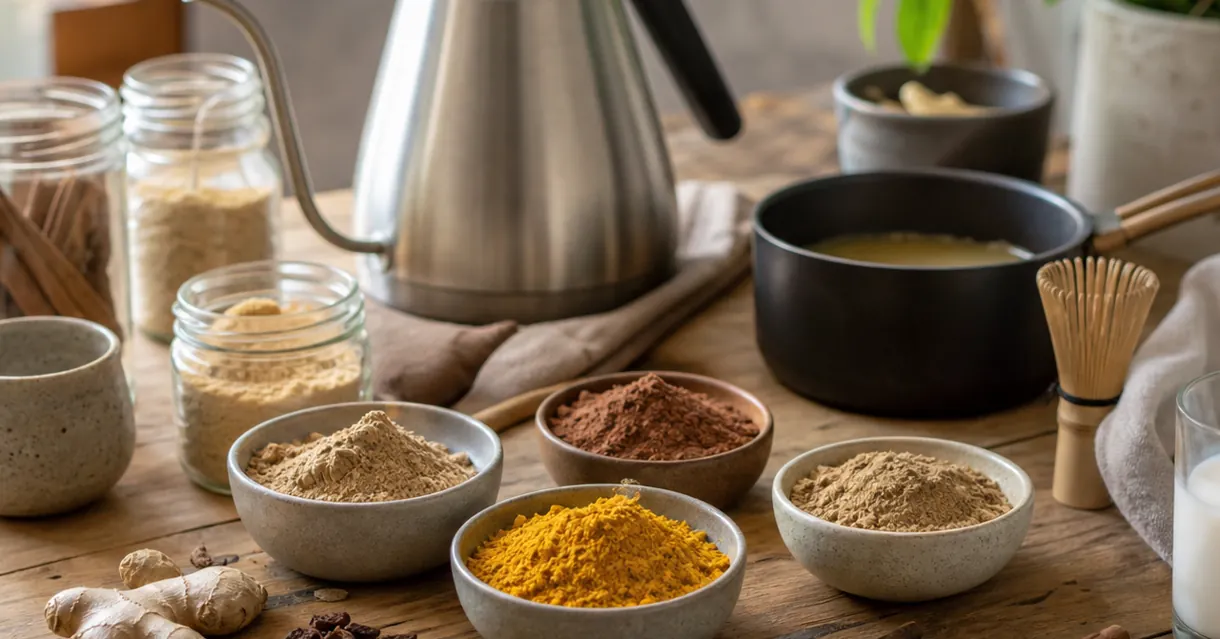
For a less lumpy drink, start with a little liquid—not a full mug. Whisk the measured powder into a small amount of milk or water until it becomes a smooth paste, then gradually add the rest. This simple change makes many everyday spiced milks and cocoa drinks easier to mix.
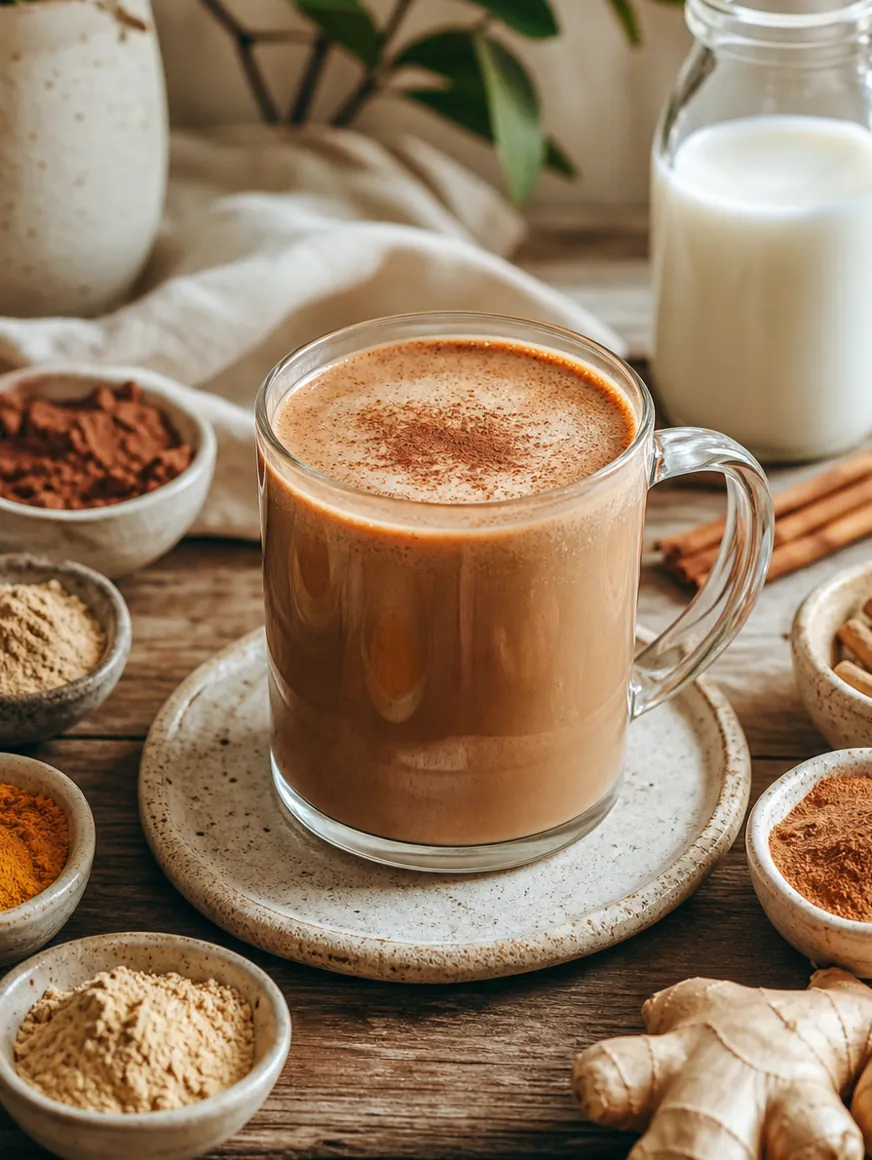
But mixing technique is only half the question. Ground cinnamon, food-grade turmeric, plain cocoa, powdered maca, and a concentrated herbal extract may all look similar on a spoon. They are not interchangeable ingredients. First check what the product is, whether it is meant to be added to food or drinks, and what its label says about preparation and use.
Start With the Right Kind of Powder
| What you have | Typical example | First thing to check |
|---|---|---|
| Culinary ground spice | Ground cinnamon, turmeric, or ginger sold for cooking | Whether it is fresh, suitable for your recipe, and how much the recipe calls for |
| Food or beverage powder | Unsweetened cocoa; plain maca powder explicitly sold for use in food | Complete ingredients, preparation directions, and any relevant cautions |
| Dietary supplement or concentrated extract | Standardized botanical extract, capsule contents, or a proprietary “adaptogen” blend | Supplement Facts, concentration, added ingredients, warnings, and whether you should use it at all |
A fine powder isn't necessarily an instant drink mix. Some products are milled plant material; others are processed extracts. A teaspoon of one cannot safely stand in for a teaspoon of another. Do not open supplement capsules or substitute extracts, tinctures, or essential oils for culinary powders in a recipe.
The Small-Paste Method for Warm Drinks
For ordinary culinary spices and cocoa, the easiest place to tackle lumps is before you pour in the whole mug of liquid. A whisk helps, but does not make ground plant material dissolve.
- Choose a familiar food ingredient. Use the amount specified by the recipe and the product's food-preparation directions; never invent a serving for a supplement or concentrated extract.
- Start cold. Put the measured powder in an empty cup or unheated pan. Add a spoonful of cool milk or water and stir until there are no visible dry islands. For a small quantity of cocoa or spice, 1–2 tablespoons (15–30 ml) of liquid is a workable editorial starting point.
- Thin the paste. Add a few more spoonfuls gradually, stirring between additions. Once smooth, pour in the remaining liquid. This minimizes clumps but will not prevent all settling.
- Warm only if appropriate. For a warm milk drink, heat gently and keep stirring, following the full recipe and milk manufacturer's directions. Do not boil an ingredient simply because it was difficult to disperse.
- Observe the cup. If the powder sinks after a minute, it may be suspended rather than dissolved; stir again before sipping.
Unverified kitchen demonstration: Try the paste technique with 1 teaspoon plain unsweetened cocoa and a spoonful of milk, then dilute with more milk. This is a technique illustration, not a taste-tested recipe or dose recommendation. Cocoa can contain caffeine, and food allergies still matter.
How to Mix Powders Into Cold Drinks
Cold liquid can make some powders harder to disperse, particularly when they float or form small, stubborn clumps. Try the same small-paste approach before filling the glass.
- For a cold glass of milk: Mix the measured culinary powder with a spoonful or two of liquid, whisk until no dry powder remains, then top up slowly with cold milk.
- For a smoothie: Add only ingredients intended for food use, follow the recipe's measures, and blend according to your blender's directions. A high-speed blender may improve texture but cannot make an unsuitable ingredient safe.
- For a shaker bottle: Shake only a cold or room-temperature drink in a properly closed bottle. Never shake hot liquids in a sealed container: pressure can build and cause burns.
A handheld frother can help distribute powder in a mug, but it won't turn fibrous or insoluble material into a truly dissolved solution. If your ingredient needs cooking, simmering, or some other preparation, follow its directions rather than assuming vigorous blending is enough.
Why Powders Clump, Float, or Settle
| What you notice | A likely explanation | What to try next |
|---|---|---|
| Dry powder sitting on top | It was added to a full mug all at once | Mix with a small amount of liquid first |
| Little lumps that won't whisk out | Powder clumped while stored or was not wetted evenly | Break up dry lumps first, then make a thin paste |
| Fine particles at the bottom | Some ground plant material stays suspended rather than dissolving | Stir before sipping; use a finer product if appropriate |
| Gritty or overpowering flavor | Too much powder, coarse texture, or a strong ingredient | Check the recipe and label; choose a smaller culinary amount next time—not a guessed supplement dose |
| Foam but still sandy | Frothing added air without changing the particles | Use the paste method and adjust the ingredient or product, not just the frother speed |
The difference between dissolving and dispersing matters. Sugar dissolves in water; finely ground cinnamon and many botanical powders do not fully disappear. A smoother-looking drink may still contain suspended particles, and light settling is normal. That is a texture issue, not a way to judge an herb's strength, quality, or health effects.
What Works Best With Common Drink Powders?
A little knowledge about the ingredient is more helpful than owning a powerful blender.
- Ground cinnamon or culinary turmeric: Can clump and leave fine sediment. Mix with a little cool liquid before combining with warm milk. Use the actual recipe's amount; ground turmeric is not a curcumin supplement.
- Ground ginger: More spice-like and sediment-prone than strained slices of fresh ginger. Do not substitute it gram for gram for fresh root.
- Unsweetened cocoa: Often floats at first; a wet paste helps distribute it. It contributes chocolate flavor and some naturally occurring caffeine.
- Plain maca food powder: Follow that specific product's directions. Processing, added ingredients and serving guidance vary. Do not use capsules or extract powder as an unmeasured replacement.
For what powder, tincture, and extract actually mean, use the separate Tea, Powder, Tincture, or Extract guide. This page is about physical mixing technique, not supplement classification.
Read the Label Before the Scoop
Before you open a bag or tub, look for five useful details: product name and plant part, the full ingredient list, directions or serving information, warnings, and added ingredients such as sweeteners, caffeine sources, or other botanical extracts.
In the United States, a dietary supplement typically carries a Supplement Facts panel, while conventional packaged foods generally use Nutrition Facts. That distinction can help you identify the product category, but it does not by itself establish that an ingredient is appropriate for your specific circumstances.
Be especially cautious with words such as standardized extract, high absorption, curcumin, piperine, and proprietary blend. These can describe products quite different from the ground spices in an ordinary kitchen. The U.S. FDA does not approve dietary supplements for safety and effectiveness before they are marketed. Ask a clinician or pharmacist about supplement products if you take medicines, are pregnant or breastfeeding, have a relevant medical condition, or are unsure about potential interactions.
Make It Fresh and Store It Safely
For milk-based drinks, it's easiest to make only what you intend to drink. If saving leftovers, use a clean covered container and refrigerate perishable drinks promptly, within two hours, at 40°F (4°C) or below. Follow the milk manufacturer's storage instructions as well. Stir again before serving, since powder may settle in the refrigerator. Don't try to use a good-looking surface or pleasant smell as proof that an improperly stored drink is safe.
A good powdered drink doesn't require a long ingredient list or special equipment. Check the product, measure it, make a small paste, add liquid gradually, and accept that some natural sediment may remain.
Common Questions
Why does my herbal powder settle at the bottom?
Many finely ground plant ingredients disperse in liquid but do not completely dissolve. Stir again before sipping. Texture alone does not tell you whether a product is safe or effective.
Should I put the powder into hot or cold milk first?
For many ordinary culinary spices or cocoa, whisk the measured recipe amount with a spoonful of cool liquid first, then gradually add the rest. This is a general technique, not a kitchen-tested result for every powder. Follow any ingredient-specific directions.
Can I put a supplement powder in coffee or a latte?
Do not treat supplement powders as ordinary food ingredients. Check the Supplement Facts panel, ingredients, directions, and warnings, and ask a healthcare professional if you take medicines or have other risk factors.
Will a blender remove the gritty texture?
A blender may make particles smaller or spread them more evenly, but it cannot guarantee that an insoluble powder will dissolve. Use a suitable product and follow your blender’s safety instructions.
Sources and Further Reading
- FDA — FDA 101: Dietary Supplements — Supplement categorization, label reading, and premarket approval limits
- NCCIH — Using Dietary Supplements Wisely — Supplement-versus-food context, interactions, and product variability
- NCCIH — Turmeric: Usefulness and Safety — Culinary turmeric versus concentrated curcumin products and safety cautions
- King Arthur Baking — Homemade Hot Chocolate Recipe — Cocoa as a culinary powder used in a milk beverage; not a herbal-dose reference
- FoodSafety.gov — 4 Steps to Food Safety — Cold holding, two-hour refrigeration guidance, and milk-based beverage safety